When I meet with Minneapolis homeowners who are thinking about selling, one of the conversations I have most often is about staging.
And staging is not the same thing as decorating.
You may love the way your home looks and function perfectly well within it, and that is so important while you are living there. But selling a home requires a different perspective. The goal is no longer to make the space work for the people who live there today. It is to make the home as compelling as possible to the people who will be seeing it for the first time - often online, on a phone, in a matter of seconds.
That is where thoughtful staging can make a meaningful difference.
Buyers need to see the home, not belongings
According to the National Association of REALTORS® 2025 Profile of Home Staging, 83% of buyers' agents said staging made it easier for buyers to visualize a property as their future home. Nearly half of sellers' agents also reported that staging reduced the amount of time a home spent on the market.
Those numbers make sense to me.
When a buyer walks into an empty room, an oversized room, or a room filled with furniture that doesn't suit the scale of the space, they have to do a lot of mental work. Where would the sofa go? Is there room for a dining table? Could I fit a desk here? Is this bedroom actually large enough for a king-size bed?
Good staging answers those questions before the buyer has to ask them.
It establishes scale. It defines how a room can be used. It creates a sense of flow. Most importantly, it allows the buyer to concentrate on the home itself.
In Minneapolis, the details of the home matter
Minneapolis has an incredibly varied housing landscape. A historic brownstone or converted warehouse loft presents differently from a mid-century home, a newer construction property, or a traditional two-story house in one of the city's established neighborhoods.
That means I don't believe in a one-size-fits-all staging formula, and why I work with the best industry professionals on a catered plan upon listing.
A Mill District loft may benefit from emphasizing its volume, architectural details and views rather than filling it with too much furniture. A Minneapolis bungalow may need furniture positioned to emphasize its proportions and the connection between living spaces. A larger suburban home may need help showing buyers how to use rooms that aren't immediately obvious.
The furniture should support the architecture, not compete with it.
And in many homes, the best staging decision isn't adding something. It's usually taking something away.
Your home has to photograph well before anyone walks through the door
Today's first showing often happens online.
NAR reports that 73% of buyers' agents consider listing photos highly important to their clients, while 31% said buyers were more willing to physically tour a home they had seen staged online.
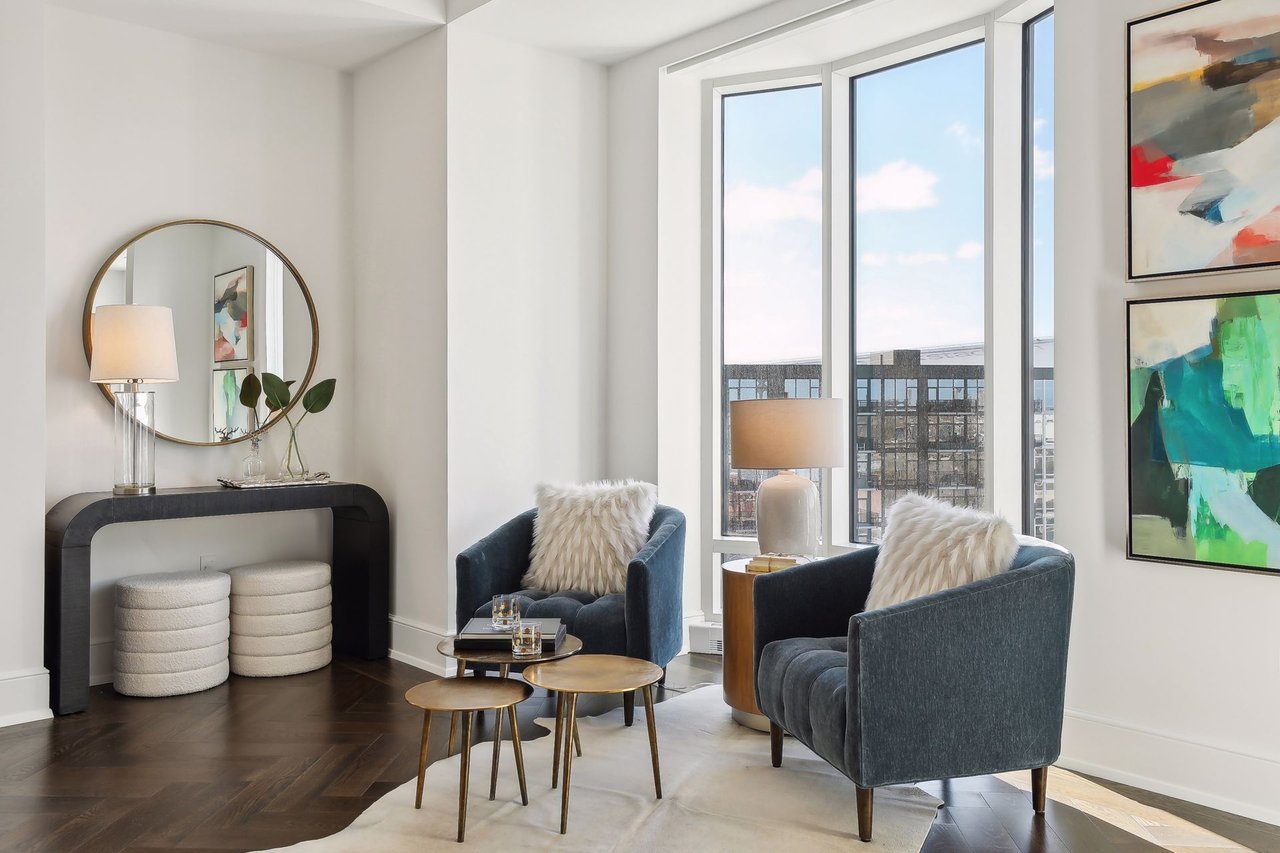
We want the home to feel right in person, but we also want every room to photograph beautifully. A piece of furniture that technically fits may still make a room look crowded in a photograph. A chair placed in the wrong spot can interrupt the visual flow. A room that feels perfectly comfortable in everyday life may look surprisingly small when photographed.
This is why I like to have a professional staging eye involved before photography - not simply before the first showing.
Using what you have
One of the services I offer my sellers is access to staging partners who can work with what you already own.
This is particularly valuable for homeowners who are still living in the property.
A staging consultation can evaluate your existing furniture, artwork and accessories and determine what should stay, what should be edited and where things should go. Sometimes the biggest transformation comes from simply changing the layout, removing excess pieces or repurposing furniture from one room to another.
The objective is to make the home photograph better, feel more spacious and create a stronger sense of how the rooms function.
You don't have to completely redecorate your home to prepare it for sale. You need to make intentional decisions about what the market needs to see.
And if you've already moved out, we have another option
Vacant homes present a different challenge.
Empty rooms can look larger in some cases, but sometimes it actually has the reverse effect because it makes it difficult for buyers to understand scale. A dining room without a dining table doesn't necessarily communicate how many people can comfortably gather there. A large living room can feel surprisingly undefined without furniture establishing its proportions. It's a simple concept, but an extremely effective one.
For sellers who have moved out, my staging partners can furnish the entire home with new, appropriately scaled furniture and décor.
This creates a cohesive presentation specifically designed for the property and its likely buyer.
For higher-end Minneapolis properties in particular, I think this distinction is important. The furnishings need to feel intentional and appropriate for the architecture and price point. A luxury home shouldn't simply be filled with furniture, it should be presented with the same level of thoughtfulness as the property itself.
Staging isn't about making your home look generic
There is a misconception that staging means stripping every home of personality and filling it with beige furniture but this is not how my team approaches the concept.
The strongest staging preserves the character that makes a home interesting while removing the things that distract from its value. A historic Minneapolis home should still feel historic. A riverfront condominium should still take advantage of its views. An architectural loft should still feel like a loft.
The difference is that the presentation should direct the buyer's attention toward those qualities.
NAR's research reinforces this point: 32% of buyers' agents said staging could positively affect a home's perceived value when the décor matched buyers' tastes.
In a nutshell: staging should appeal to the market without erasing the identity of the home.
Where I typically focus first
Not every room requires the same amount of attention.
NAR's 2025 research found that buyers' agents considered the living room the most important room to stage, followed by the primary bedroom and kitchen.
In my experience, we also pay close attention to:
- The entry: It establishes the first impression and sets the tone for the rest of the home.
- The main living spaces: Furniture placement should make the room feel inviting without making it feel full.
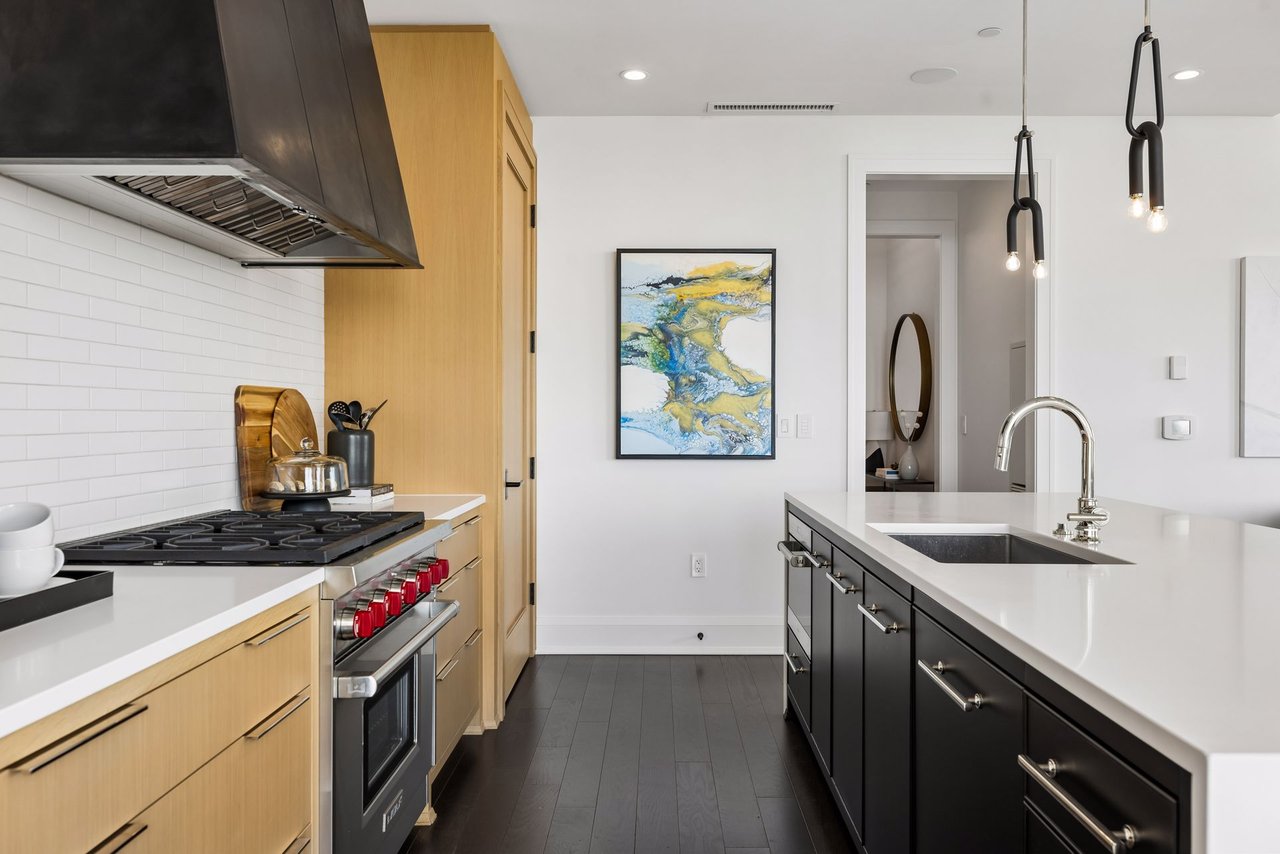
- The kitchen: Countertops, islands and sightlines should remain visually clean so buyers can appreciate the space.
- The primary bedroom: It should communicate scale and comfort without becoming overly personal.
- Outdoor spaces: In Minneapolis, a balcony, terrace, patio or yard can be a meaningful extension of the home—especially during the months when buyers are thinking about how they'll use it.
- Awkward or undefined spaces: These are often where staging provides the most value because buyers may otherwise struggle to understand the room's purpose.
And then there are the less glamorous but equally important elements: deep cleaning, reducing clutter, improving lighting, making minor repairs and addressing anything that could distract a buyer.
NAR found that 91% of sellers' agents recommended decluttering and 88% recommended cleaning the entire home when preparing a property for sale.
The goal isn't simply to make a house look pretty
It's to create a stronger first impression, help buyers understand the property and position the home to compete.
NAR found that 29% of agents reported that staging resulted in offers that were 1% to 10% higher in dollar value, while 49% of sellers' agents observed that staging reduced the amount of time a home spent on the market.
I look at staging as one piece of a much larger marketing plan that works alongside pricing, photography, copywriting, digital marketing, showing strategy and ultimately negotiation. Each element should reinforce the others.
The right staging can make a home feel more spacious. It can clarify a floor plan. It can draw attention to architectural details. It can make photographs stronger. And, perhaps most importantly, it can help a buyer move from “I like this home” to “I can see myself living here.”
Preparing your Minneapolis home for the market
Every property and every seller is different. Some homes need a complete transformation. Others need only a thoughtful edit of what is already there.
That's why I don't believe in automatically recommending that every seller rent an entire houseful of furniture.
My approach is to look at the property first and determine what will create the strongest presentation for its particular market.
For sellers who are living in their home, I can connect you with staging partners who will come into the property, work with your existing furniture and provide recommendations for layout, editing and styling, with an eye toward both market appeal and exceptional photography.
For sellers who have already moved out, we can arrange for the home to be fully staged with new furniture and décor selected to complement the property.
The goal is simple: make the home easier to understand, easier to envision and harder to overlook.
If you're considering selling a Minneapolis home, I would encourage you to think about staging long before the sign goes in the yard. The most successful preparation happens when there is enough time to make thoughtful decisions rather than hurried ones.
Your home only gets one first impression. Let's make it count!
Reach out today at [email protected] to begin your home sale journey.